

Physiotherapy and weight training: prevent injuries, train better
Physiotherapist Lidiane Gomes explains on EGRCast how assessment, postural guidance and mobility make training safer and more effective.

Physiotherapy helps people who do weight training work out more safely and effectively, according to physiotherapist Lidiane Gomes, guest on the second episode of EGRCast, the podcast of EGR GYM in Carpina, Pernambuco (Brazil). She works on three fronts: treating muscle dysfunctions, guiding posture during exercise and improving joint mobility. To prevent injuries, the starting point is a physical assessment before you begin training.
Watch the full episode on YouTube.
In the second episode of EGRCast, physiotherapist Lidiane Gomes, a specialist in movement health, talked with host Valdênia Vasconcelos about the role of physiotherapy for people who train. With 12 years in the profession and about nine years of experience with Pilates, she explained how assessment, postural guidance and mobility work make training safer and more effective.
Lidiane says physiotherapy chose her: after trying Physical Education and Nutrition, she was accepted into the Physiotherapy program with a full ProUni scholarship. She found her calling in the hands-on classes, when she saw the impact her work had on helping patients recover functions they had lost. Here are the key points from the conversation.
How does physiotherapy help people who do weight training?
According to physiotherapist Lidiane Gomes, physiotherapy works precisely on movement, and people who train are constantly moving. The work covers three main fronts:
- Muscle dysfunctions that a person already has or that may develop with training;
- Postural guidance while performing exercises;
- Joint mobility, since many people train a lot but have tightness that prevents full movements, such as raising the arm all the way.
The goal, in her words, is not just a safe workout but a more effective one that delivers results over time.
Why get assessed before training? The flat-foot example
For Lidiane, a physical assessment is essential for preventing injuries. It is where a previous injury that was never treated, or a condition that could lead to a future injury, gets identified. As an example, she mentions flat feet: the absence or reduction of the foot's arch, which is important for the balance of muscles and joints.
According to the physiotherapist, many people have this condition without knowing it, and it can cause problems in the ankle and knee, affecting ligaments and menisci, and even the spine. Someone who starts training without an assessment may see no results or even get worse, and blame the training. With an assessment, the guidance may include suitable footwear or a specific insole. That's why she stresses the importance of being assessed by both a physical education professional and a physiotherapist.
How do you adapt training for chronic conditions and rehabilitation?
For people living with chronic conditions or limitations, Lidiane explains that physiotherapy adapts the training prescribed by the physical education professional. In the case of knee osteoarthritis, for example, the priority is relieving pain, since nobody can train while in pain, while still strengthening and stretching the muscles.
Rehabilitation follows similar logic: restoring function lost due to an illness, injury or surgery. She cites the case of someone who has had shoulder surgery and needs to strengthen the muscles while recovering joint mobility. The physiotherapist and the physical education professional work together so that the person regains movement, avoids new injuries and gains more independence.
Why does having a physiotherapist at the gym matter?
Lidiane Gomes notes that many members receive a one-size-fits-all workout when they don't have individual support. In her view, a gym that puts health first makes members feel welcome: they stop being just another face in the crowd and get a personalized program that respects their limitations.
Having a physiotherapist at the gym, she says, makes a difference mainly in postural guidance. Exercises such as the squat require proper posture to avoid overloading the spine. With this guidance, training becomes safer and progress happens gradually. As the host summed up at the end, taking care of your body goes beyond training: it involves prevention and respecting each person's limits.
For those who want to ease back into exercise gradually, including after an injury, EGR GYM offers the Zero Impact program. Caring for movement throughout life is also the topic of the episode on exercise for older adults with physiotherapist Wallber Amorim.
To visit EGR GYM, located at Av. Pres. Getúlio Vargas, 923 (Rua dos Tamarindos), Santa Cruz, Carpina - PE, sign up online or chat with our team on WhatsApp. All other episodes are available on the EGRCast page.
Frequently asked questions
Does physiotherapy help people who do weight training?
Yes. According to physiotherapist Lidiane Gomes, physiotherapy treats muscle dysfunctions, guides posture during exercise and improves joint mobility, which makes training safer and more effective.
Why get assessed before you start training?
According to Lidiane Gomes, an assessment identifies previous injuries that were never treated and conditions that can lead to injuries, such as flat feet. Based on it, the guidance may include suitable footwear or a specific insole.
How should people with knee osteoarthritis train?
According to the physiotherapist, the training prescribed by the physical education professional is adapted: the priority is relieving pain while still strengthening and stretching the muscles.
Why is posture important in the squat?
According to Lidiane Gomes, exercises such as the squat require proper posture to avoid overloading the spine. Postural guidance makes training safer and allows for gradual progress.
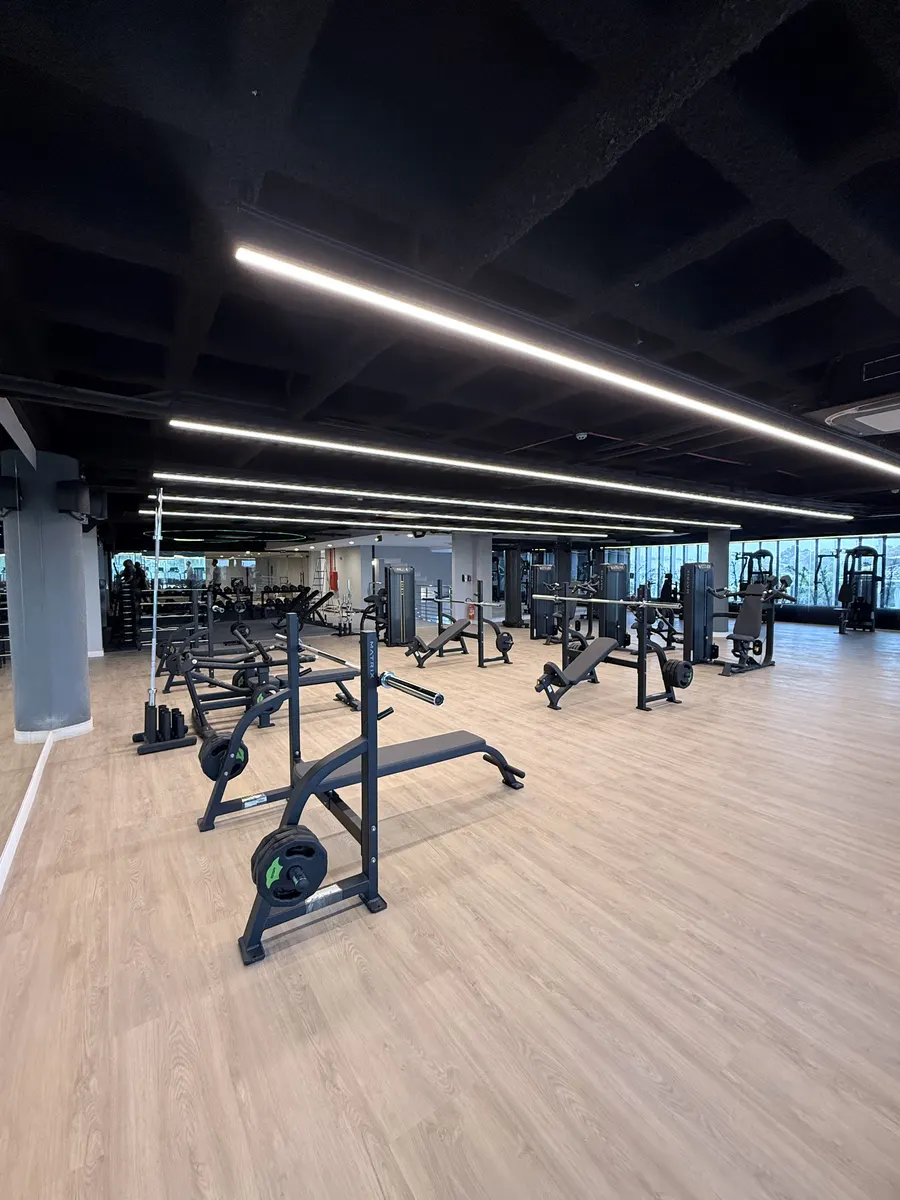
Where can I train with professional support in Carpina?
At EGR GYM, in Carpina, Pernambuco, support begins with the Quality of Life Assessment, which looks at routine, sleep, energy, nutrition and pain before the first workout. For beginners, sedentary people and those recovering from an injury, there is the Zero Impact program.


