





Exercise for older adults: aging with independence and safety
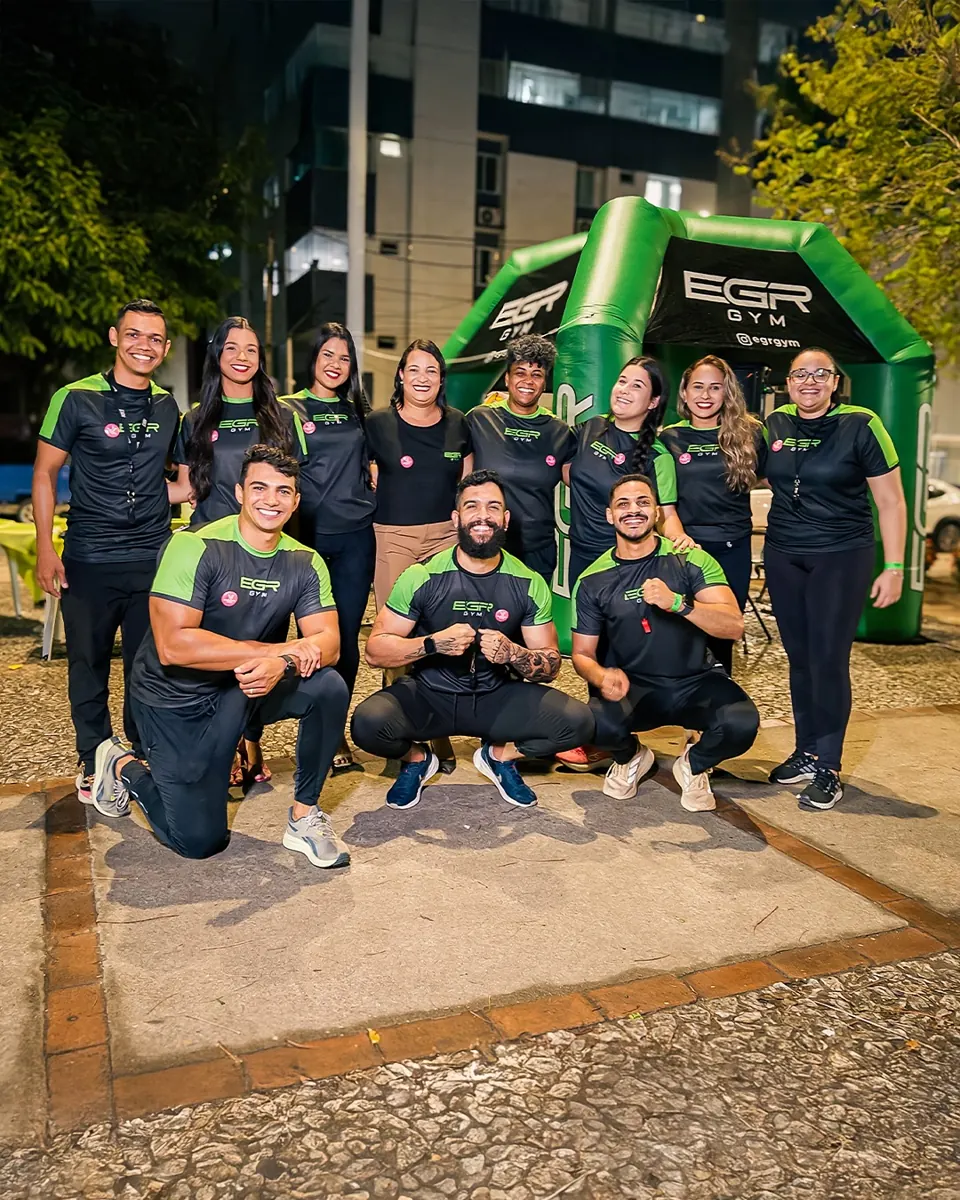
Geriatric physiotherapist Wallber Amorim explains on EGRCast how exercise helps people age with independence, balance and quality of life.

Exercise prescribed by a professional helps older adults preserve mobility, balance and independence and prevent chronic conditions such as osteoarthritis and osteoporosis, according to geriatric physiotherapist Wallber Amorim, guest on the fourth episode of EGRCast, the podcast of EGR GYM in Carpina, Pernambuco (Brazil). Before getting started, he recommends at least three assessments: cardiological, postural and functional, and physical.
Watch the full episode on YouTube.
Aging is a natural, continuous and inevitable process. How we age, however, is something we can prepare for. That was the topic of the fourth episode of EGRCast, which welcomed geriatric physiotherapist Wallber Amorim to talk about exercise, prevention and rehabilitation in the lives of older adults.
Wallber earned his degree in Physiotherapy in 2018 with honors and began treating older patients at home in 2019, which led him to specialize in geriatrics. He later also specialized in dermatofunctional physiotherapy and began teaching in higher education. His interest in the profession began in his teens, when he accompanied his father to physiotherapy sessions after an accident. Here are the key points from his conversation with host Valdênia Vasconcelos.
What is healthy aging and why does it matter?
According to Wallber Amorim, aging begins at birth and brings changes that can lead to functional decline. That's why the more health professionals discuss what to expect from this process, the more they can act through health promotion and prevention. He cited IBGE data pointing to rapid growth of Brazil's older population in the coming decades, with effects on health, public policy and the economy. The challenge, in his view, is to help these people reach that stage of life more active, independent and self-sufficient.
What role does physiotherapy play in older adults' health?
The physiotherapist notes that many people only seek physiotherapy after a fall, a fracture or an episode of pain. But the work is also preventive. Since we already know that older adults tend to lose muscle and bone mass and have slower nerve impulses, a physiotherapist specializing in geriatrics can design exercise programs early on to reduce the risk of falls, fractures and loss of balance, preserving independence.
Mobility and balance, he explains, are what guarantee independence in everyday life: going to the supermarket or the bank and carrying out daily activities.
What is the difference between physical activity and exercise?
Wallber sums up the difference this way: all exercise is physical activity, but not all physical activity is exercise. Physical activity is any everyday movement, with no therapeutic goal or prescription. Exercise has a defined goal, such as muscle growth, endurance, aerobic capacity or balance, and should be prescribed by a professional, with set duration, frequency and intensity (load and repetitions).
What are the benefits of exercise for older adults?
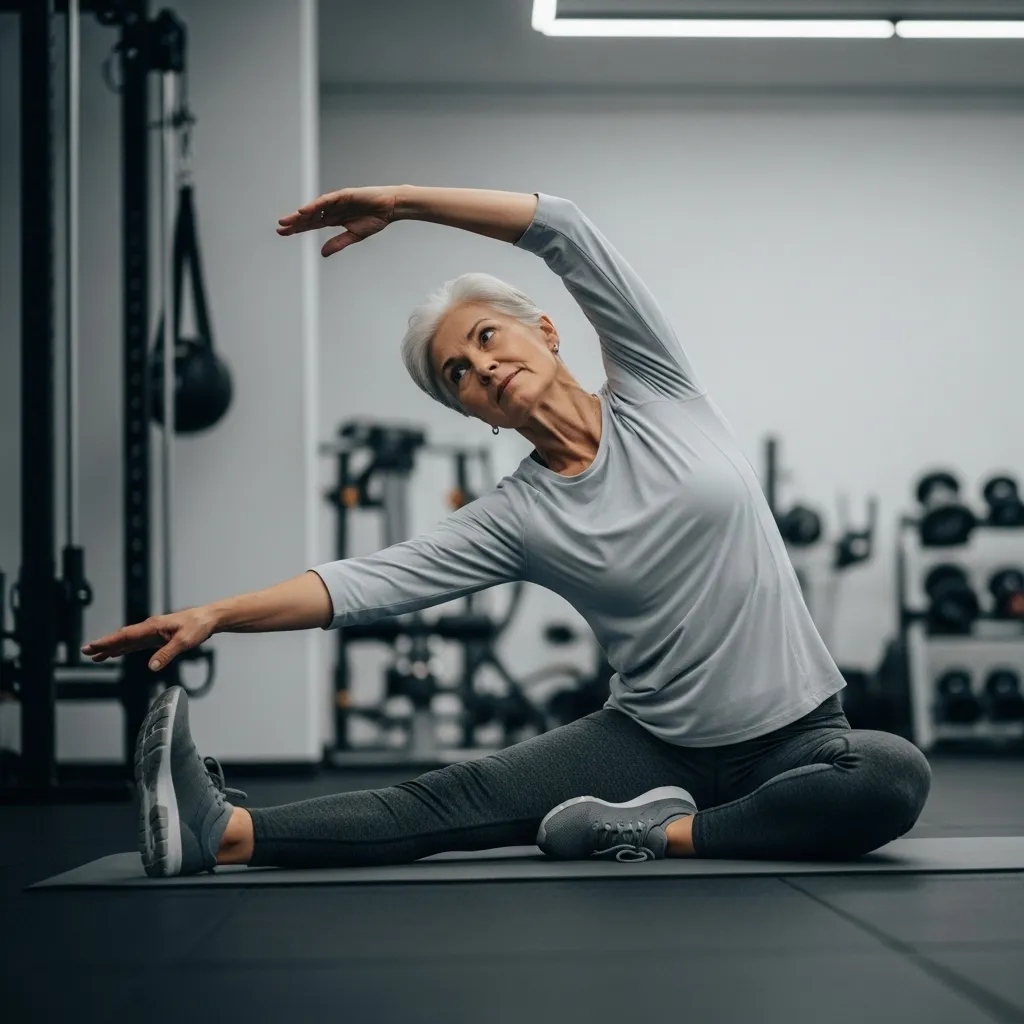
According to the physiotherapist, exercise is one of the main tools for preventing and fighting the chronic conditions that most affect older adults, such as arthritis, osteoarthritis, tendinitis and osteoporosis. Through movement, it's possible to gain flexibility, strengthen muscles and reduce muscle tension.
He also highlighted the emotional effects: he cited a recent study linking regular exercise to a lower likelihood of depression and anxiety in older adults, thanks to the release of neurotransmitters such as endorphins, dopamine and serotonin. Another interesting point is the boost to neuroplasticity: learning a new exercise requires attention and activates neural connections, which, he says, is also relevant in cases of dementia.
Which assessments should older adults get before they start training?
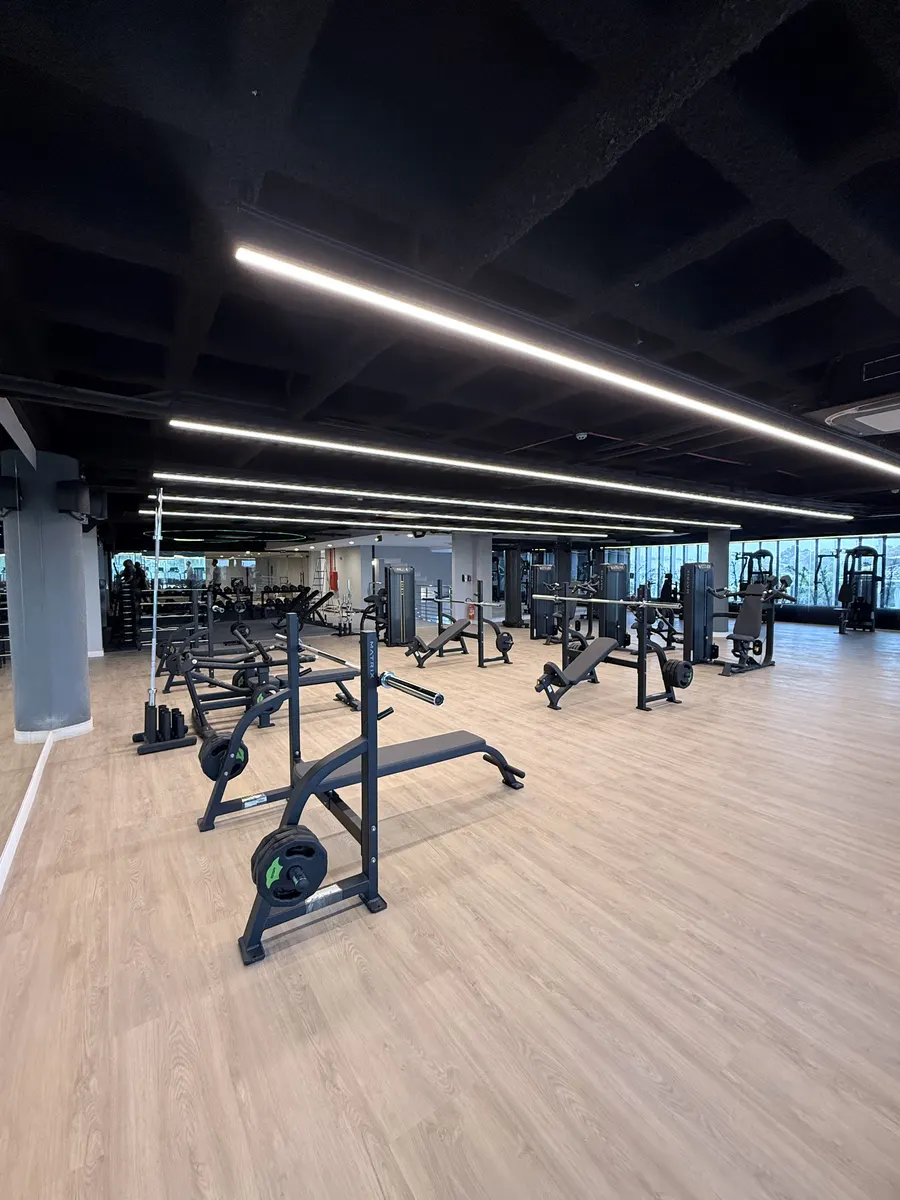
In addition to a well-lit, adapted and welcoming environment and a well-prepared technical team, Wallber Amorim recommends that older adults undergo at least three assessments before starting an exercise program:
- Cardiological: to understand heart health, aerobic capacity and medication use, as in cases of high blood pressure;
- Postural and functional: performed by a physiotherapist or orthopedist to identify joint limitations;
- Physical: conducted by the physical education professional, who defines the appropriate type of activity, intensity and frequency.
He also praised EGR GYM's decision to feature an older adult working out in its very first promotional video. For Wallber, many older people don't go to gyms because they don't feel represented, and that kind of inclusion makes a difference.
The physiotherapist's final tip is not to wait. To those who say they should have started earlier, he offers a choice: start today and age with better quality of life and functional independence, or stay in your comfort zone and accept the negative consequences of aging.
For people 50 and over, EGR GYM offers the Life in Motion program, with safe, adapted activities. For more on assessment and injury prevention, see also the episode on physiotherapy and weight training with Lidiane Gomes.
To visit EGR GYM, located at Av. Pres. Getúlio Vargas, 923 (Rua dos Tamarindos), Santa Cruz, Carpina - PE, sign up online or chat with our team on WhatsApp. All other episodes are available on the EGRCast page.
Frequently asked questions
What is the difference between physical activity and exercise?
According to geriatric physiotherapist Wallber Amorim, all exercise is physical activity, but not all physical activity is exercise. Exercise has a defined goal and should be prescribed by a professional, with set duration, frequency and intensity.
Which assessments should older adults get before they start training?
Wallber Amorim recommends at least three: a cardiological assessment, a postural and functional assessment by a physiotherapist or orthopedist, and a physical assessment with the physical education professional, who defines the type of activity, intensity and frequency.
Why are mobility and balance important as we age?
According to the physiotherapist, they are what guarantee independence in everyday life, such as going to the supermarket or the bank and carrying out daily activities. Exercise programs started early help reduce the risk of falls, fractures and loss of balance.
Is it worth starting to exercise later in life?
Wallber Amorim's advice is not to wait: starting today means choosing to age with better quality of life and functional independence.
Where can older adults exercise in Carpina?
EGR GYM, in Carpina, Pernambuco, offers the Life in Motion program, designed for people 50 and over, with safe, adapted activities to build strength, balance, mobility and cardiovascular endurance.


